How to Choose the Right Garment for Decoration: Fabric Guide
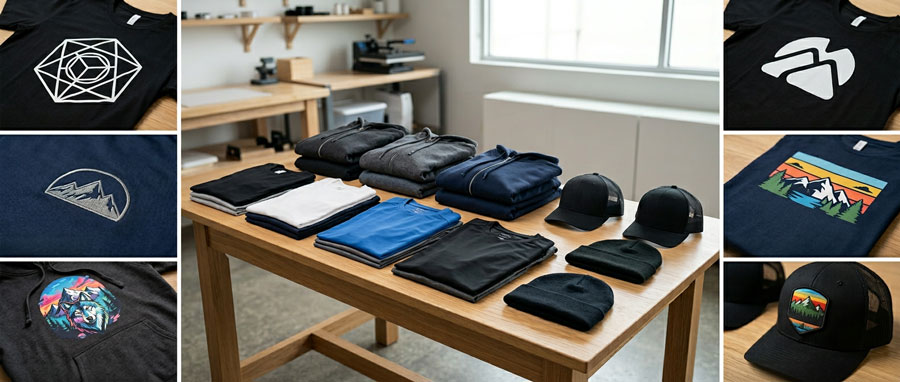
Choosing the right garment is just as important as choosing the decoration method. The fabric you select directly impacts how your design looks, feels, and lasts over time.
At Amacor Printz, we help distributors and businesses match the right garment to the right decoration method—ensuring every project looks professional and performs as expected.
Why Fabric Matters in Custom Apparel
Not all garments are created equal. Fabric type, weight, and composition all affect how well decoration adheres and holds up.
A premium design on the wrong fabric can lead to:
- Poor adhesion
- Distorted logos
- Reduced durability
Getting this right from the start saves time, money, and rework.
Cotton: The Classic Choice
Cotton remains one of the most popular choices for custom apparel—and for good reason.
Best for:
- DTF printing
- Silkscreen
- HTV (Heat Transfer Vinyl)
- DTV (Direct to Vinyl)
Benefits:
- Soft feel
- Excellent print adhesion
- Breathable and comfortable
Cotton provides a stable surface for HTV and DTV applications, helping vinyl adhere cleanly and last longer.
Polyester: Performance Meets Durability
Polyester is ideal for athletic and performance apparel thanks to its moisture-wicking properties.
Best for:
- DTF transfers
- DTV
- HTV (with proper heat control)
Benefits:
- Lightweight and durable
- Wrinkle-resistant
- Great for activewear
Watch out: Polyester is heat-sensitive. When applying HTV or DTV, temperature and pressure must be carefully controlled to avoid scorching or dye migration.
Blends: The Best of Both Worlds
Cotton-poly blends combine comfort with durability, making them a versatile option.
Best for:
- DTF printing
- Embroidery
- HTV
- DTV
Blends are often the safest choice when working across multiple decoration methods, offering consistent results and flexibility.
Specialty Fabrics & Textures
Items like fleece, canvas, and stretch fabrics require extra consideration.
- Fleece: Great for embroidery, but textured surfaces can affect DTV/HTV adhesion
- Canvas (bags): Excellent for patches, DTF, HTV, and DTV
- Stretch fabrics: Require flexible decoration methods like DTF or specialty HTV
Matching Fabric to Decoration Method
Here’s a quick guide:
- Embroidery: Best on thicker fabrics like polos, jackets, caps
- DTF: Works on cotton, polyester, blends, and stretch fabrics
- Silkscreen: Ideal for cotton and blends
- HTV (Heat Transfer Vinyl): Best for cotton, blends, and some polyester applications
- DTV (Direct to Vinyl): Great for bold graphics and works well on cotton and blends
- Patches: Perfect for hats, bags, and outerwear
💡 Pro Tips for Distributors
- Always consider the end-use (promo vs. retail vs. uniforms)
- Test HTV/DTV applications on new fabrics before full production
- Avoid overly textured fabrics for vinyl-based decoration
- Factor in washability and long-term wear
- Work with a decorator who understands multi-method compatibility
✅ Final Thoughts
Choosing the right garment isn’t just a detail—it’s the foundation of a successful custom apparel project.
By understanding how fabrics interact with embroidery, DTF, DTV, and HTV, you can deliver better results, reduce errors, and increase customer satisfaction.
At Amacor Printz, we make that process simple—helping you choose the right materials and decoration methods every time.