
Understanding DTV and How It’s Changing Custom Apparel Printing
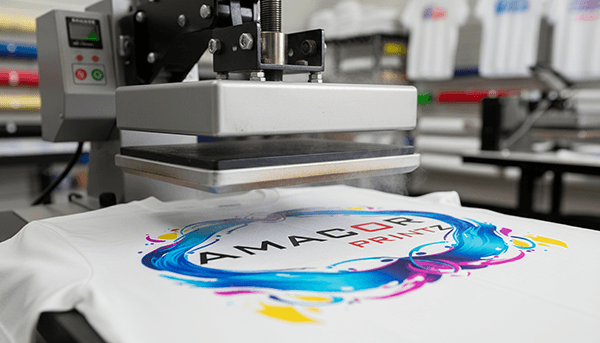
In the fast-moving world of custom apparel decoration, new technologies emerge constantly. But few have created as much buzz—and real-world impact—as DTV (Direct-to-Vinyl) printing. As resellers and businesses search for faster, more flexible decoration methods, DTV has stepped into the spotlight as a game-changing solution that blends quality, versatility, and efficiency.
If you’re exploring modern decoration options for your clients or your brand, understanding how DTV works—and where it outperforms traditional methods—can help you offer better products, reduce production delays, and increase profit potential.
What Exactly Is DTV?
DTV stands for Direct-to-Vinyl, a method where designs are printed directly onto a specialized vinyl material, cut precisely, and then heat-applied to garments and accessories.
It combines the precision of digital printing with the clean, crisp edges of vinyl. Think of it as a hybrid between HTV and DTF—but with unique advantages of its own.
DTV is ideal for:
- Small to medium-sized runs
- Multi-colour logos
- Custom names and numbers
- Promo apparel
- One-offs and fast-turnaround orders
- Fabrics that don’t take well to screen printing
As brands request more personalization and faster turnaround, DTV shines as a flexible, reliable choice.
How DTV Differs from Other Methods
To understand why DTV is growing so quickly, it helps to compare it to other popular decoration techniques.
DTV vs. HTV
Traditional heat transfer vinyl requires manual cutting and weeding. DTV completely eliminates most of that labour, allowing designs with:
- Fine details
- Small typography
- Multiple colours
- Gradients or textures
DTV is faster, cleaner, and more scalable.
DTV vs. DTF
DTF prints directly onto a film that’s transferred with a powder adhesive. DTV, however, prints directly onto vinyl—resulting in:
- A smoother, more durable hand feel
- A slightly more premium finish
- Sharper edges for branding
Both are excellent methods, but DTV is often preferred for branding that needs crisp precision.
DTV vs. Silkscreen
Silkscreen is unbeatable for large volumes. But for small runs or detailed multi-colour designs, DTV avoids costly setups and offers rapid turnaround.
Why DTV Is Transforming Custom Apparel Decoration
The rise of DTV isn’t just about print technology—it’s about how the industry is shifting.
Here’s what’s driving adoption:
1. Speed and Efficiency
DTV offers fast production with minimal setup. For resellers managing tight deadlines or last-minute orders, this is a huge advantage.
2. High Detail and Colour Range
Small text? Multiple colours? Gradients? Brands love how precise and vivid DTV can be.
3. Versatility on Many Fabrics
DTV applies well to cotton, blends, performance fabrics, and even some textured garments.
4. Perfect for Personalization
Names, numbers, team sets, company shirts—DTV is ideal for individualized items.
5. Consistent, Reliable Results
Your clients get consistent quality with every reorder, no matter the design.
How Amacor Printz Uses DTV for Better Results
At Amacor Printz, DTV is part of our mission to make custom apparel decoration simple, reliable, and high quality.
We use advanced DTV systems to ensure:
- Crisp prints with excellent durability
- Accurate colour representation
- Clean cutting and flawless application
- Fast turnaround for reseller and business orders
Whether you’re producing one shirt or one hundred, our DTV process ensures a premium look and feel.
Is DTV Right for Your Next Project?
Choose DTV if you need:
- Multi-colour graphics
- Fast turnaround
- Sharp detail
- Low-to-medium volumes
- Personalized garments
For large runs or premium retail-grade results, embroidery, silkscreen, and patches may still be better fits. But for most modern branding needs, DTV offers the ideal balance of speed, quality, and flexibility.
Final Thoughts
As customer expectations evolve, decorators and resellers need technology that keeps up. DTV delivers exactly that—quality, speed, and versatility in one efficient method. It’s no surprise it’s quickly becoming a favourite for branded apparel, promo wear, events, and custom merchandise.ed printers to ensure sharp details, smooth edges, and consistent durability.